
Why Record a Death Certificate?
Recording a death certificate in the Official Records puts the death on the public record, tied to the property. It's commonly done to:
- Remove a deceased owner from title when property was held jointly or as husband and wife
- End a life estate when the life tenant passes
- Support a sale, refinance, or transfer of the property
- Keep the chain of title clean for future owners and title companies
Important: A Death Certificate Cannot Be Recorded on Its Own
The Miami-Dade County Clerk will not record a death certificate on its face. The certificate doesn't have the blank space the Clerk needs for the recording stamp, and it doesn't contain the information needed to index the document to the property.
To record it, you must attach a cover page as the first page of the document. The cover page provides the recording space and the information the Clerk needs to index it correctly.
Download the Miami-Dade County Death Certificate Cover Page (opens in a new tab)
Before You Record
- Use the copy without cause of death Florida keeps cause-of-death information confidential. Order the certified copy that does not show the cause of death, or the Clerk may reject it.
- Use a certified copy Photocopies of the certificate are not accepted.
- Have the property information ready You'll need the decedent's name as it appears on title, the property address, and the parcel ID or legal description.
How to Record a Death Certificate in Miami-Dade County
- Download the cover page Use the Miami-Dade County cover page linked above.
- Complete the cover page Fill in the decedent's name, the property information, and the return-to information.
- Assemble the document Place the cover page first, followed by the certified death certificate.
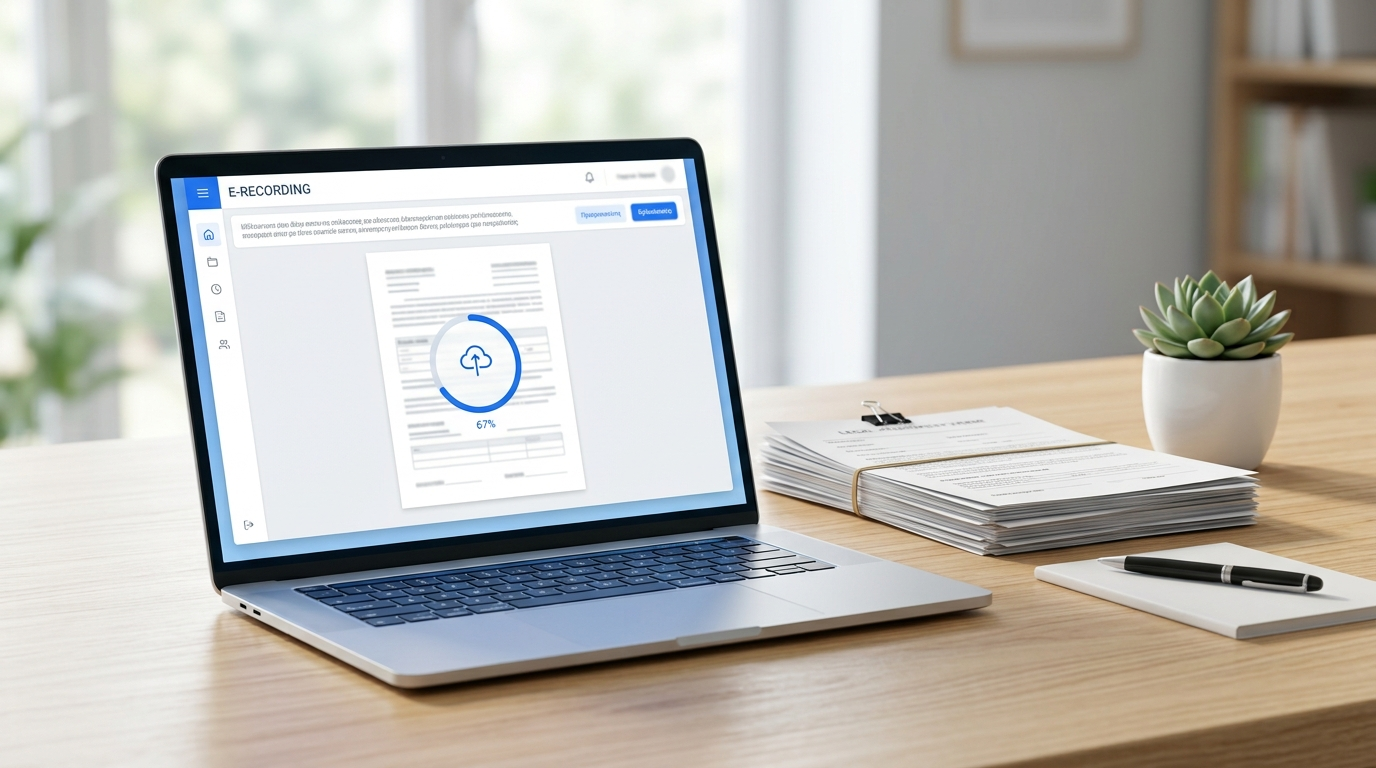
- Scan and upload Scan the full document and upload it to your Swift E-Recording account.
- Submit for recording We submit it electronically to the Miami-Dade County Clerk. Once it's recorded, you'll receive the recorded copy with the book, page, and instrument number directly in your email.
Recording Fees
Standard Miami-Dade County recording fees apply, and the cover page counts as a recorded page. Your total is shown before you submit.
Frequently Asked Questions
Can I record the death certificate without the cover page?
No. The Clerk will reject a death certificate submitted without a cover page.
Do I need an affidavit too?
Sometimes. Depending on how the property was titled, a title company or attorney may require an affidavit, such as a surviving spouse affidavit, along with the death certificate. Check with them if you're unsure.
How long does it take?
Most electronic submissions are recorded within 3-4 business days, depending on the Clerk's processing time.
Where do I get a certified death certificate?
Order one from the Florida Department of Health, Bureau of Vital Statistics, or your local county health department. Remember to request the copy without cause of death.
Do I have to go anywhere in Miami-Dade County to record it?
No. Upload the completed document and it is submitted electronically for recording.
What will I receive once it is recorded?
You receive the recorded copy, with the book, page and instrument number, directly in your email.
Miami-Dade County at a glance
- 2.74M residents
- 1.09M homes and housing units
- 40% in buildings with 10 or more units
- 52% owner-occupied homes
Miami-Dade County has about 2,738,400 residents and 1,095,000 homes and other housing units. Around 40% of housing is in buildings with ten or more units, so condominium and co-op ownership is common. 52% of occupied homes are owner-occupied. The median resident age is 40.7.
Source: U.S. Census Bureau, American Community Survey, 2024 5-year estimates.
Ready to get started in Miami-Dade County?
Complete it online.
Get StartedCities in Miami-Dade County
- Aventura
- Bal Harbour
- Bay Harbor Islands
- Biscayne Park
- Coral Gables
- Cutler Bay
- Doral
- El Portal
- Florida City
- Golden Beach
- Hialeah
- Hialeah Gardens
- Homestead
- Indian Creek
- Key Biscayne
- Medley
- Miami
- Miami Beach
- Miami Gardens
- Miami Lakes
- Miami Shores
- Miami Springs
- North Bay Village
- North Miami
- North Miami Beach
- Opa-Locka
- Palmetto Bay
- Pinecrest
- South Miami
- Sunny Isles Beach
- Surfside
- Sweetwater
- Virginia Gardens
- West Miami
This page is general information, not professional advice. Requirements can change, so confirm current details before you file.